
“The system is much better now,” she says. “It’s more user friendly, and it fits what we actually do.”
How a government-owned electronic medical record is transforming care in Eswatini: CMIS in Lubombo Region

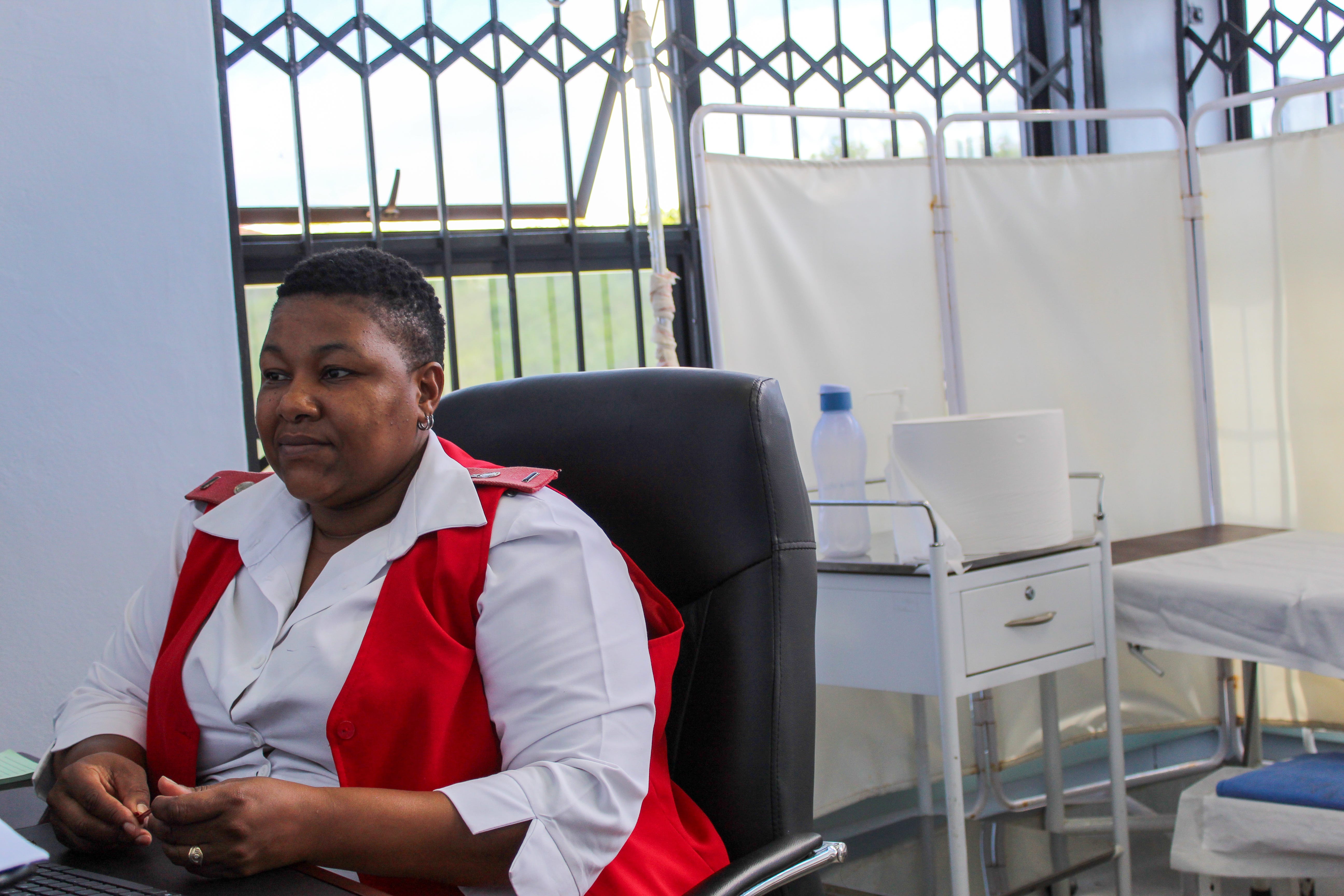
While some are still getting acclimated to Eswatini’s Client Management Information System (CMIS)—a government-led electronic medical record (EMR) spanning over 270 health facilities—others have worked with it long enough to assess its progress rather than imagine its promise. They remember how it got started and how it has steadily grown and changed over time.
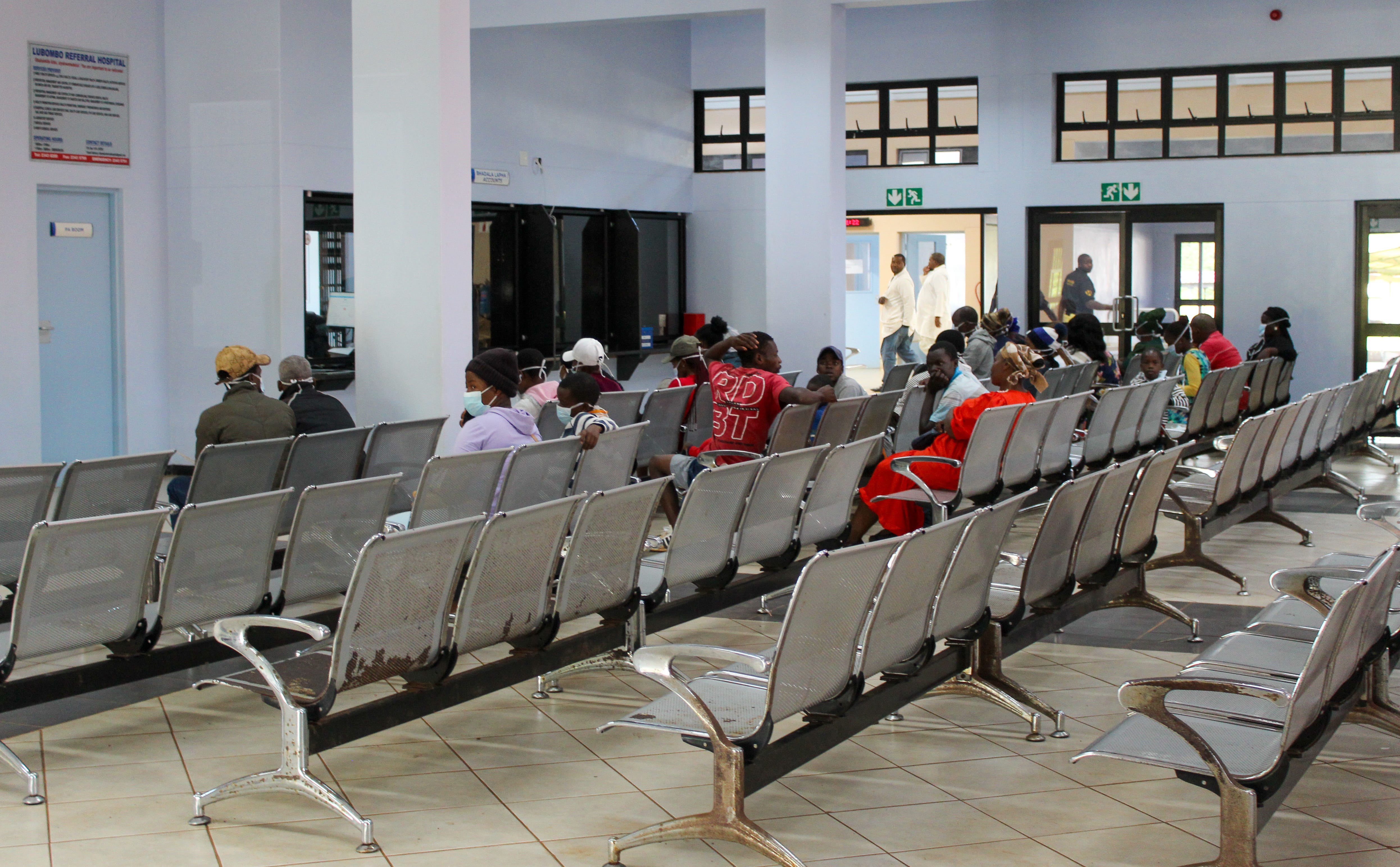
At Lubombo Referral Hospital, situated in Siteki, in the heart of the Lubombo region, some users have been around for a long time. The region of Lubombo covers much of eastern Eswatini, and it is often seen as somewhat peripheral to the fast-paced commercial and innovative heartlands around Manzini and Mbabane.
Nurse Nontobeko Sikhondze is one of the hospital’s long‑standing CMIS users. Her perspective is shaped by years of daily use. She has worked with CMIS across multiple versions, witnessing first-hand how successive upgrades have reshaped both usability and trust.
The system did not meet with immediate acceptance when it was first introduced. Early versions were not easy to navigate, especially for clinicians who were more comfortable with paper records, adding pressure to already demanding clinical environments. But what defines Sikhondze’s experience today is not resistance, it is transition.
“The system is much better now,” she says. “It’s more user friendly, and it fits what we actually do.”
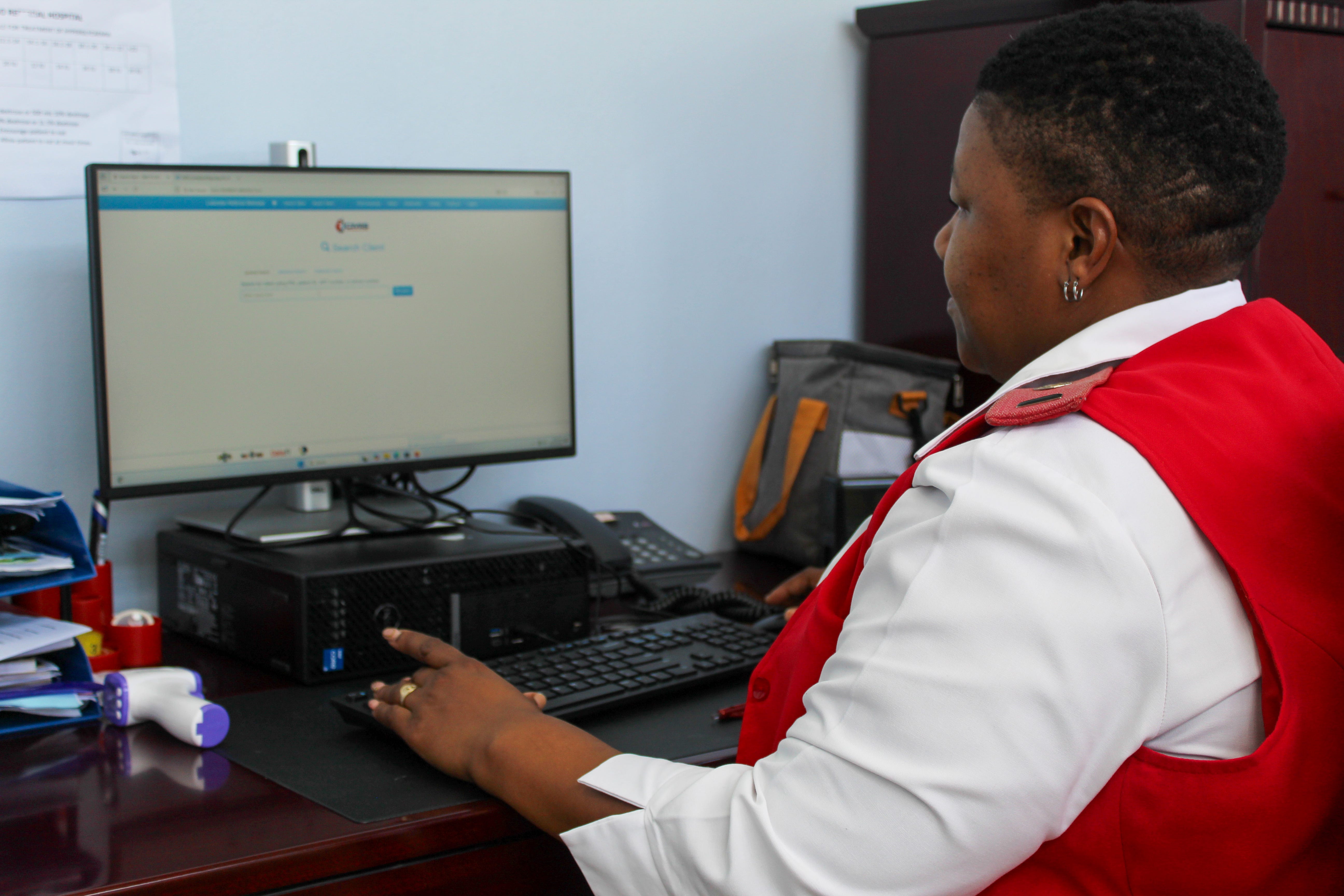
That improvement was gradual. Over time, CMIS evolved to better match real clinical workflows. Changes reduced duplication, improved patient data capture, and steadily replaced paper files with a more reliable digital record. “It saves time now,” Sikhondze adds. “You don’t have to repeat the same work again and again.”
These gains have translated into confidence. Network disruptions still occur, a familiar challenge in Lubombo, but they are no longer constant or disabling. “It’s not like before,” Sikhondze notes. “Downtime happens, but far less. We can work.”
In a setting where dependable infrastructure is never guaranteed, that reliability matters. Each improvement strengthens trust in both the system’s stability and its relevance to everyday care delivery.
System reliability and usability translate into smoother clinical workflows and better patient experiences. Making life easier for nurses like Sikhondze is not just for their benefit, as it allows them to spend more time with their patients and less time with tedious paperwork. Graudal procedural improvements for a system like CMIS are critical for improving the efficiency and responsiveness of healthcare for all.
Sikhondze now speaks about CMIS with a sense of practitioner ownership, focusing on how it can be improved. This buy-in offers hope in the long-term sustainability and government leadership of the system. Her feedback on additional features that can enhance the system is practical and forward‑looking, reflecting growing confidence in CMIS as a foundation for Eswatini’s digital health transformation.
At Lubombo Referral Hospital, CMIS is no longer just a national system introduced from afar. It is embedded in daily practice, shaped by clinicians who stayed long enough to see its early promise turn into something real and dependable.